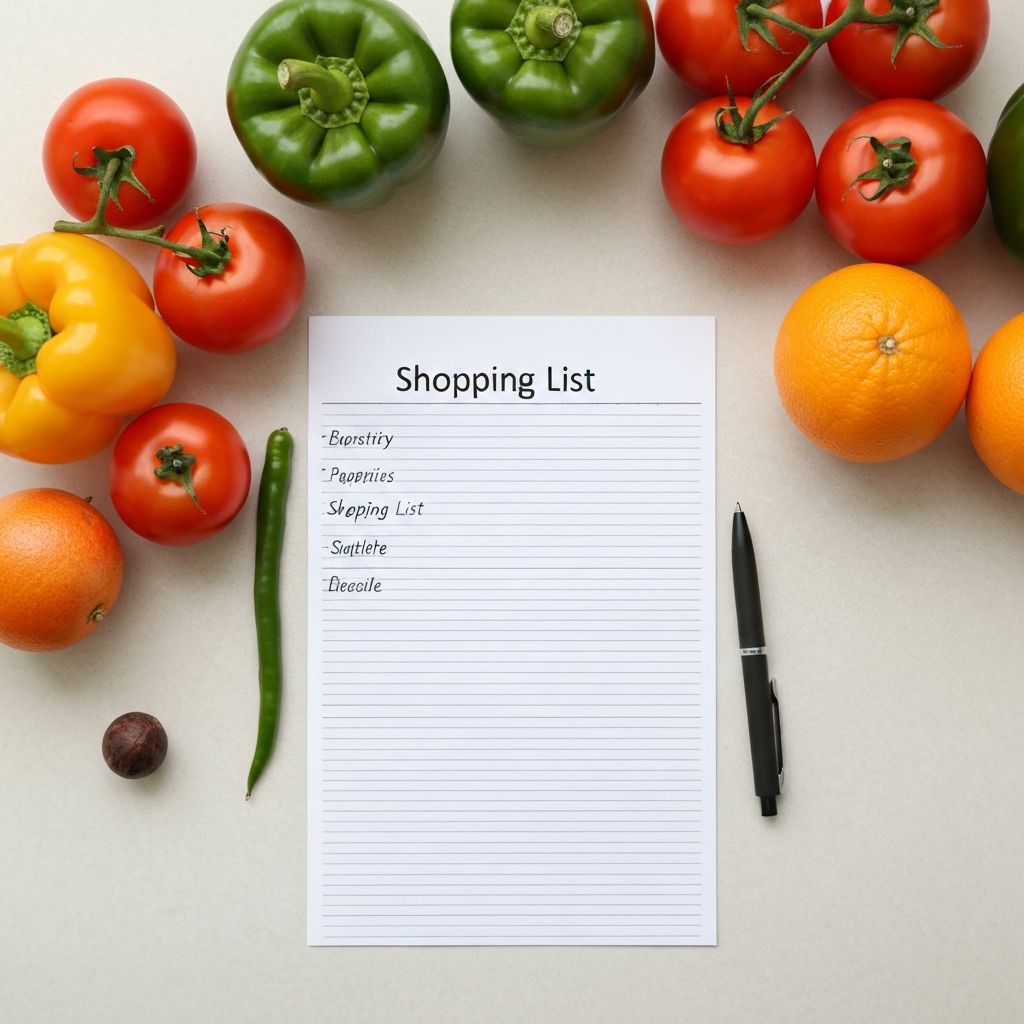
The Role of Shopping Lists
Shopping lists serve as organizational tools that many people use to structure their grocery shopping activities. The ways in which individuals create and use these lists vary considerably based on personal preferences and circumstances.
Different List-Making Approaches
Some people maintain ongoing lists throughout the week, adding items as they think of them or as supplies run low. Others prefer to create lists just before shopping trips based on planned meals or current household inventory.
The format of shopping lists also varies. Traditional paper lists remain popular, while many people now use digital methods such as smartphone applications or notes. Each format has different characteristics in terms of convenience, accessibility, and ease of modification.
Organizational Methods
Educational resources on grocery shopping often describe various ways that people organize their lists. Some individuals group items by store department or aisle location to facilitate efficient navigation during shopping. Others may organize by meal or recipe, or simply list items in the order they come to mind.
The level of detail included in shopping lists also varies. Some people specify quantities, brands, or other details, while others keep their lists more general and make specific decisions at the store.
List Maintenance and Updates
Different households have different practices for maintaining shopping lists. In some cases, multiple household members contribute to a shared list. Others may keep personal lists or coordinate verbally rather than through written lists.
Flexibility and Adaptation
Many shoppers adjust their lists during the shopping trip itself based on factors such as product availability, pricing, or unexpected items they encounter. The relationship between planning and in-the-moment decision-making varies among individuals.
Cultural and Personal Variations
Shopping list practices can reflect cultural backgrounds, household structures, and individual habits that have developed over time. There is no single standard approach, and what works well in one situation may not transfer directly to another.
Educational Context and Limitations
This article describes general information about shopping list organization for educational purposes only. It does not recommend specific approaches or tools for particular individuals or situations.
The most effective organizational methods vary greatly depending on individual circumstances, preferences, and needs. This content is informational only and should not be interpreted as advice or guidance for specific situations.
We do not endorse or promote specific products, applications, or methods. This is educational content only, not professional advice of any kind.
Continuing Education
This article is part of our educational series exploring various aspects of grocery shopping. For additional information on related concepts, you may wish to explore our other articles on planning grocery trips and choosing a variety of foods.